Saving Seeds and Breeding Your Own Vegetable Varieties

In the not-so-distant past, if you gardened, you also saved seeds. You don’t have to now, but you still might want to. Saving seeds is like the black belt for gardeners. If you want to take your garden and your gardening skills to the next level, then start saving seeds. Next, select seeds from the most prolific, aesthetic or tastiest plants and suddenly you’re a plant breeder.
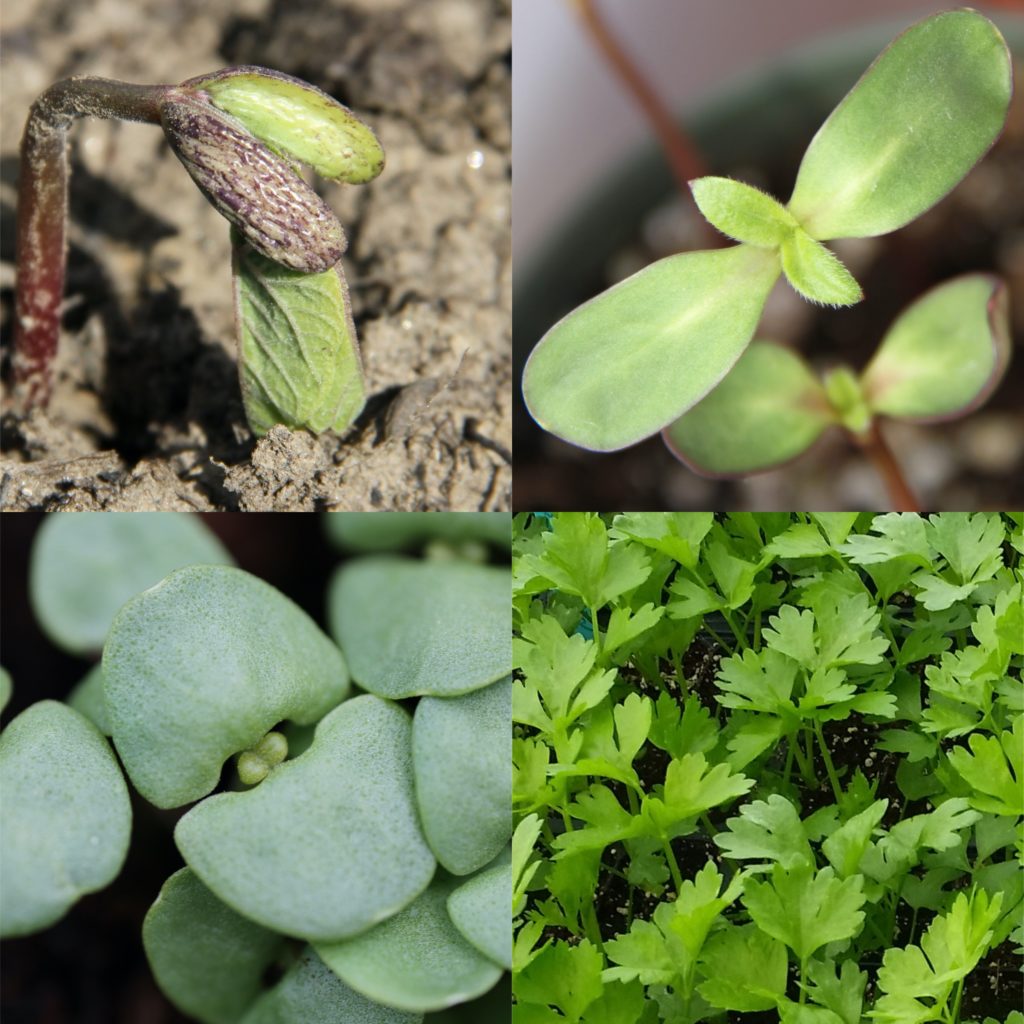
photo collage of bean, sunflower, basil, and celery seedlings

Clockwise from top left, bean, sunflower, celery, and basil seedlings.

Saving your own seeds can be a fun challenge. It’s also a great way to teach kids how genetics work. Gregor Mendel, considered the father of genetics, made most of his discoveries while breeding peas. When you breed your own vegetables, you become the author of your own garden.

Maybe you’re looking for a particular characteristic in a crop and you haven’t found that in an available seed variety. For example, much of the snap bean breeding has been focused on bush beans. Johnny’s Seeds sells 23 types of bush beans but only seven types of pole beans. Mechanically harvested beans must be grown in a bush form. Since commercial interests drive breeding efforts, new bush bean varieties are developed more often than pole bean varieties. When you engage in plant breeding, you can grow and breed crops that lack commercial value but hold tremendous value to gardeners. Continue reading
One Family’s Extraordinary Commitment to Grow, Gather, Hunt, and Fish for most of their Food in Interior Alaska and to Help Others do the Same

When some Alaskans retire, they head south for warmer, easier, sunnier lives. They take their stories and their adventures of Alaska life and that’s enough. But Terry and Paul Reichardt are different. They’ve ramped up what they’ve done for decades – wresting nearly all of their food from the Alaska landscape.

While it’s not unusual for Alaskans to hunt, gather, fish and grow their own food, it is unusual for a family to obtain most of their food this way, especially while working demanding jobs. Paul Reichardt was a chemistry professor at the University of Alaska Fairbanks starting in 1972 and the provost from 1998-2007, and Terry Reichardt founded and ran Love In The Name of Christ for 16 years.

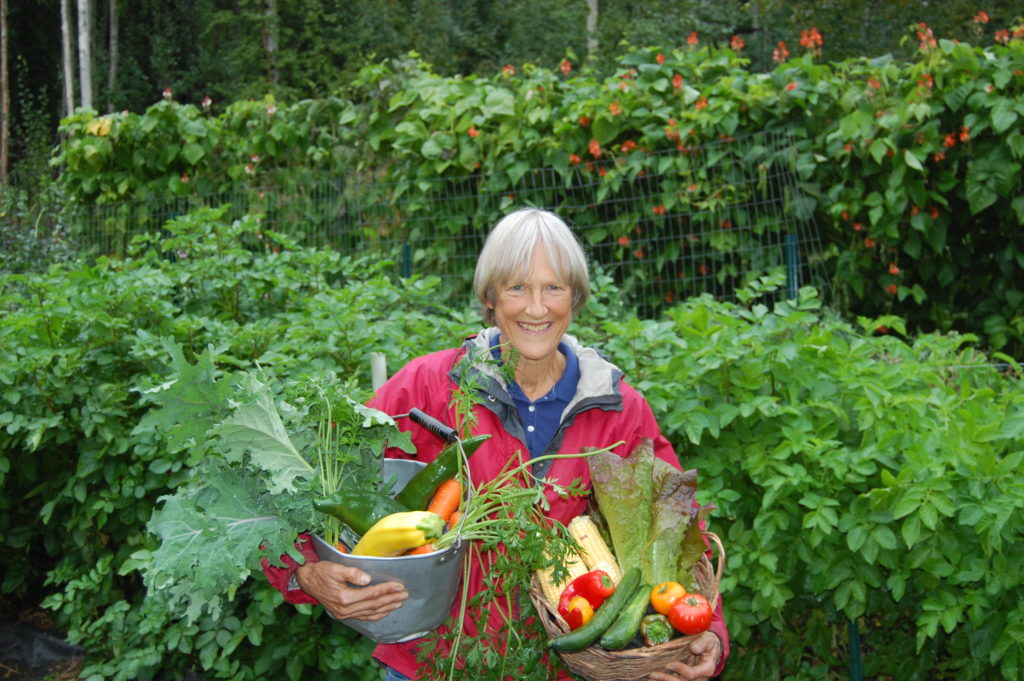
Terry Riechardt poses with two baskets of vegetables from her garden.

Terry Riechardt and the bounty from her garden. Photo courtesy of Terry Reichardt

When the Reichardts settled in the hills above Goldstream Valley in 1973, they grew their own food, in part, to save money. And because it was something Terry had always done. Their garden adapted to the needs and demands of a growing family. Less time meant more weeds, but three kids meant a lot of extra helping hands. Continue reading

Untangling the Mysteries of Growing Strawberries in Alaska

Nothing is more agonizing than patiently waiting for sweet strawberries, only to be rewarded with luscious green leaves. That’s what happened to me when, on a whim, I bought what sounded like a perfect strawberry for Alaska called Sparkle. In spite of promises for “vigorous, productive plants” and that it was “a favorite of northern growers”, it only produced a handful of berries. I guess the plants did vigorously produce leaves and they must consider Washington, northern. What went wrong?

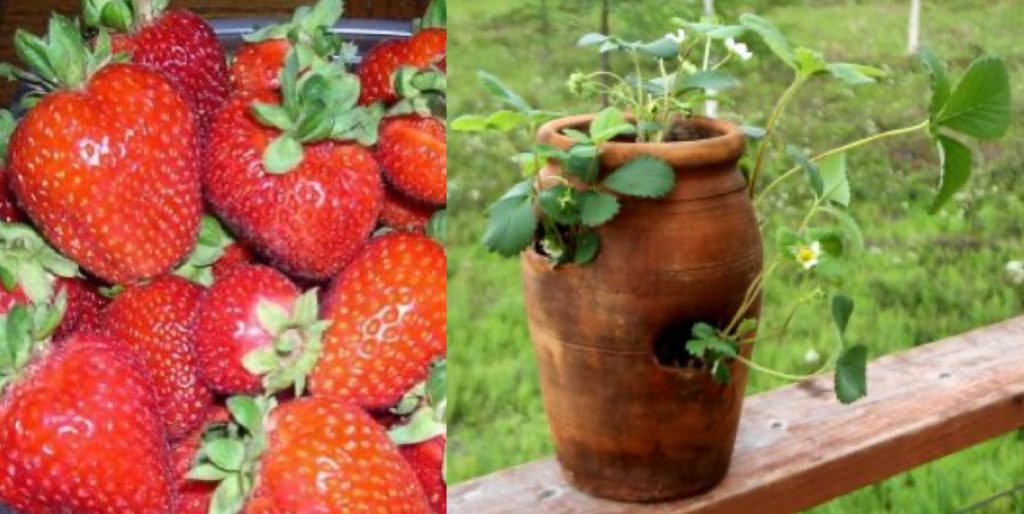
Left, photo of ripe strawberries harvested. Right, photo of strawberry plants with flowers growing in a teracotta pot.Based on response to day length, strawberries are categorized as: June bearers, everbearers or day neutrals. Sparkle is a June bearer.

June bearers flower and fruit in response to short days (or more precisely, nights that are at least 10 hours long) and do so once per season. But in Interior Alaska, our long days encourage the growth of runners. Our days are only short enough when we also have freezing temperatures and snow. Continue reading