Beyond Strawberries and Raspberries—Try Currants, Honeyberries, Serviceberries and More!

Raspberries and strawberries are ubiquitous in Alaska gardens and I, for one, never tire of eating them.

But there are other lesser known types of berries that also thrive in Alaska that are worth trying. You might even find a new favorite.

Saskatoons (or serviceberries), haskaps (or honeyberries), currants and gooseberries are well adapted to Alaskan growing conditions.

red currants growing on a bush

I love the tart, unique taste of currants. There are many varieties to choose from. They are a bit seedy, but the seeds can be eaten. They make an excellent jelly.

Saskatoons and haskaps are incredibly prolific and productive. They can be eaten fresh or in baked goods or preserves.

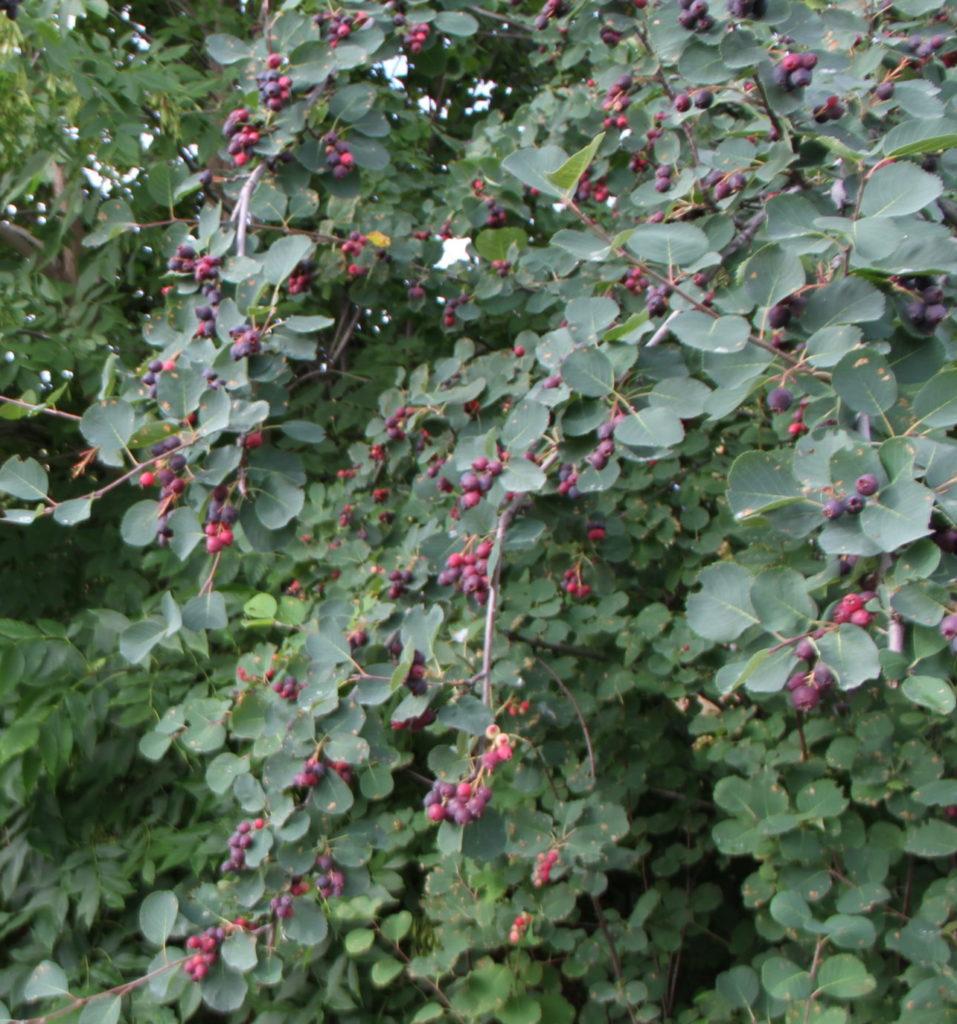
saskatoon bushes

Saskatoon or serviceberries are prolific. To me, they don’t compare to blueberries, but they’re a berry nonetheless.

Haskaps have the added benefit that they mature earlier than other berries, which extends the time you can be eating fresh berries. I love the tart flavor of currants, which is excellent when made into syrup or jam.

Growing berries is not as straightforward as growing lettuce or carrots. But at least you don’t have to plant them every year since they are generally perennial. Most berries benefit from full sun, mulching, compost, weed control, disease prevention measures, plentiful pollinators, good drainage and consistent watering. But berries vary substantially in their day/night length requirements, fertility needs, ideal pH, cold tolerance, required pruning regime and pollination strategies. Continue reading

Homemade Yogurt Offers Better Taste and Ample Savings

I like yogurt a lot. Not just any yogurt but yogurt that I have cultured. At any given time, I’ve had as many as four yogurt cultures going, plus kefir. They’re all plain and made with whole milk.

Yogurt sales in the U.S. approach nearly $10 billion a year. An aura of health surrounds yogurt, but to attract customers, yogurt companies are continually coming up with enticing new flavors like “coco loco”, “cinnamon roll” or “cookies and cream” that are loaded with sugar and artificial flavors and, in spite of yogurt’s healthy image, are actually closer to ice cream in terms of the sugar load.
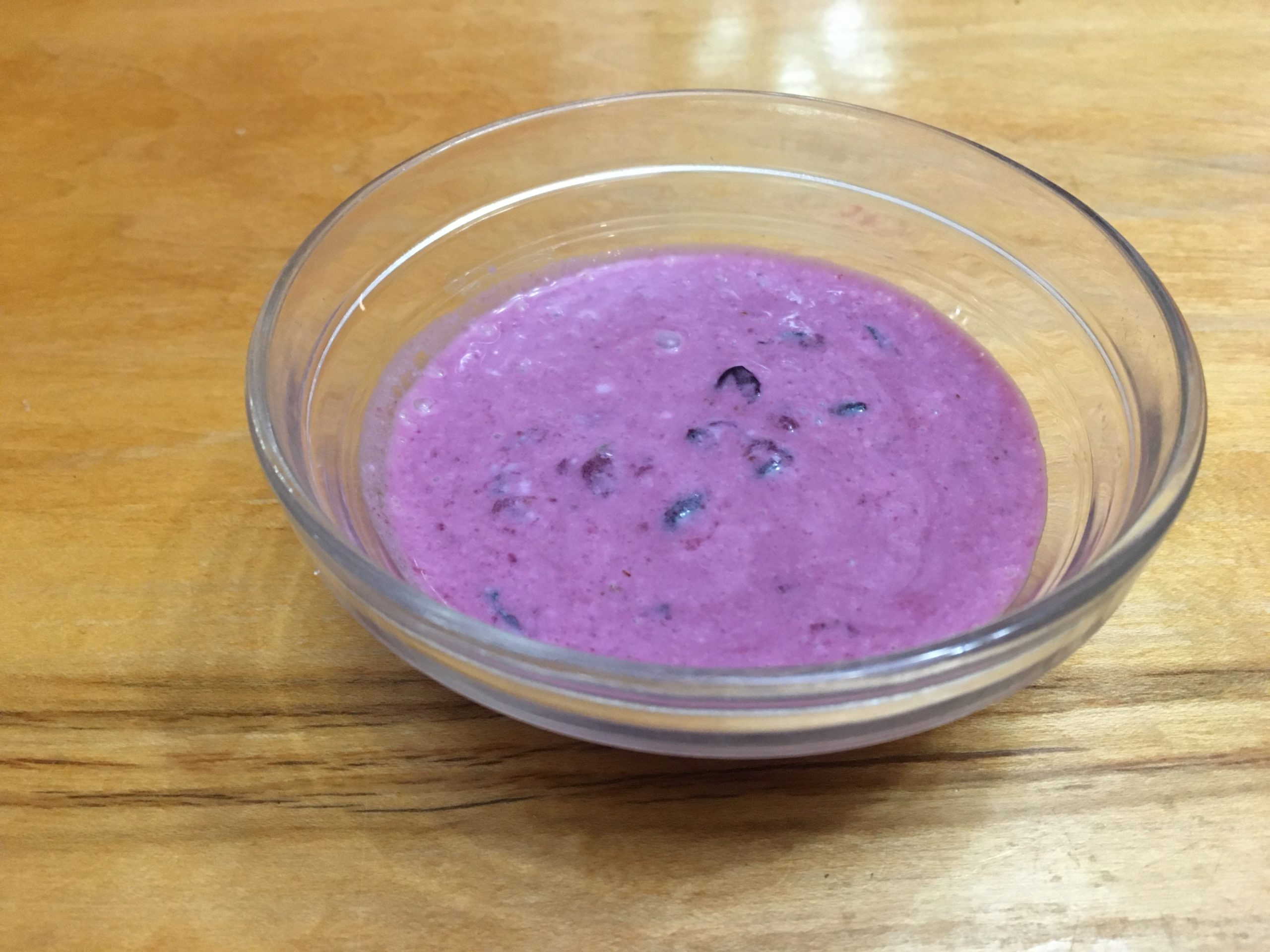
Bowl of homemade blueberry yogurt.

This is tasty blueberry yogurt I made

The best-kept secret is how easy it is to make your own yogurt. It does take time to make but not a lot of hands-on time. Instead of adding sugar and artificial flavors, simply varying the inoculation culture, fermentation time, and type of milk or cream produces yogurt with noticeably different tastes and textures. For example, I usually ferment my yogurt for 24 hours. Store-bought yogurt might be fermented for as little as eight hours. The extra fermentation time results in extra sour yogurt, which I love. Those who usually avoid lactose might find that yogurt fermented longer is more easily digested

Another reason to make your own yogurt? To save money. Here are some back-of-the-envelope calculations I made comparing the cost savings of yogurt made at home compared with buying it at the store.

Size of Yogurt Container Yogurt made at home with 1 gallon of $3 milk Yogurt made at home with 1 gallon of $6 organic milk Less expensive store-bought yogurt More expensive store-bought yogurt
6 oz. single serve 14 cents 28 cents 70 cents $2
Quart sized 75 cents $1.50 $3.60 $5

I should note that when you make unstrained yogurt, not much volume is lost, but making Greek yogurt, which requires that you strain the yogurt from the whey, does result in loss of volume, and that would influence these numbers. In addition to the cost benefits, making your own yogurt generates less plastic waste especially compared with single-serve yogurt.

So how do you actually make yogurt?

First, you need to understand a little bit about yogurt cultures. Heirloom cultures can be used repeatedly simply by saving a little yogurt from one batch and using it to make a new batch. This must be done fairly regularly to maintain the culture. But some cultures are sold for single-use. These cultures can’t be reused because they’re less diverse and stable. Commercially made yogurt is usually made with single-use cultures because they are more predictable. I only use heirloom cultures.  You can buy these online or at health food stores.

Another difference between yogurt cultures is the temperature at which they must be cultured – thermophilic cultures must be fermented at about 110-115 degrees F while mesophilic cultures can be fermented at room temperature. My favorite culture is Bulgarian and is thermophilic. I also use several mesophilic cultures that can simply be cultured at room temperature. These include Filmjölk, Viili, and Matsoni.

To make yogurt with a thermophilic culture, you could use a yogurt maker, an instant pot or simply a pre-heated cooler. If you use a cooler warmed with hot water, monitor it with a digital thermometer. Here’s how to make it (all temperatures are in Fahrenheit):

  1. Heat the milk to 180 degrees
  2. Cool the milk down to 110-115 degrees. Once cooled, mix in 1 tablespoon of culture per quart of milk.
  3. Keep the milk at  110-115 degrees for at least eight hours and up to 24 hours.

Mesophilic yogurt is much easier to make. Simply save about one or two tablespoons of the previous batch of yogurt and add it to more cream, milk or a combination of the two. Ferment at room temperature and in about a day or so it will be finished. One of the things I use the mesophilic cultures for is making crème fraîche. This works well because it wouldn’t make sense for me to make a whole gallon of  crème fraîche,  which is the capacity of my instant pot and it would take a lot more effort to use a thermophilic culture for a small amount of crème fraîche. Instead, I make small batches in pint jars.  
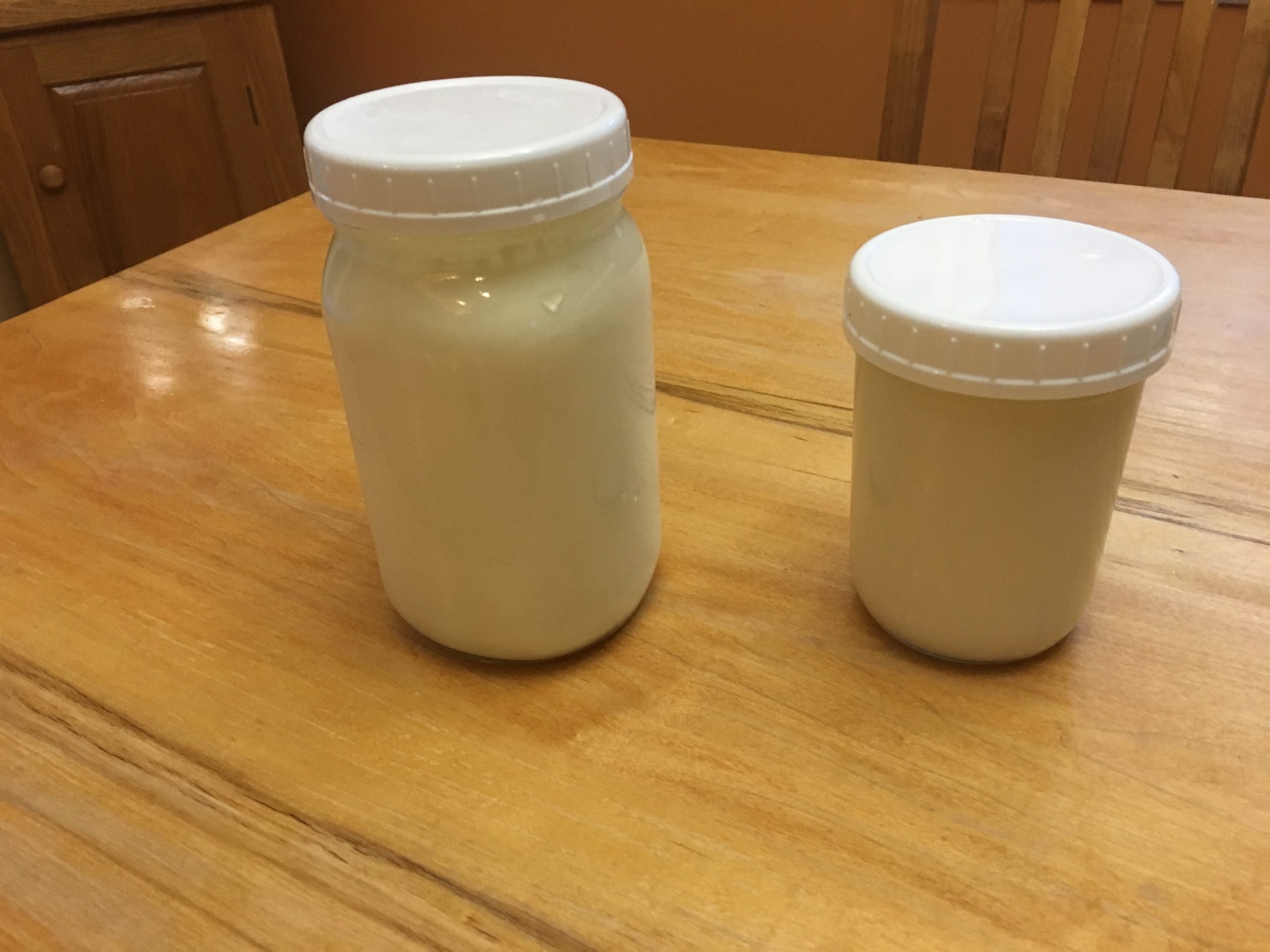
A pint-sized jar of homemade cream friach next to a quart-sized jar of yougurt.

I usually make smaller batches of creme fraiche, a naturally thickened cream that provides a tart, buttery flavor.

Kefir is also fermented at room temperatures, but kefir grains are added to inoculate the yogurt instead of simply a couple of tablespoons of kefir. Add one tablespoon of kefir grains to one quart of milk and let ferment until thickened. This usually takes at least 24 hours for my kefir. The grains are colonies of bacteria and yeast that continue to grow and multiply when you make kefir. If you let kefir ferment too long, your kefir might become a little bit alcoholic and fizzy because of the yeast. Single-use cultures are sold for making kefir, so, if you can, find the kefir grains if you want to make multiple batches of kefir.
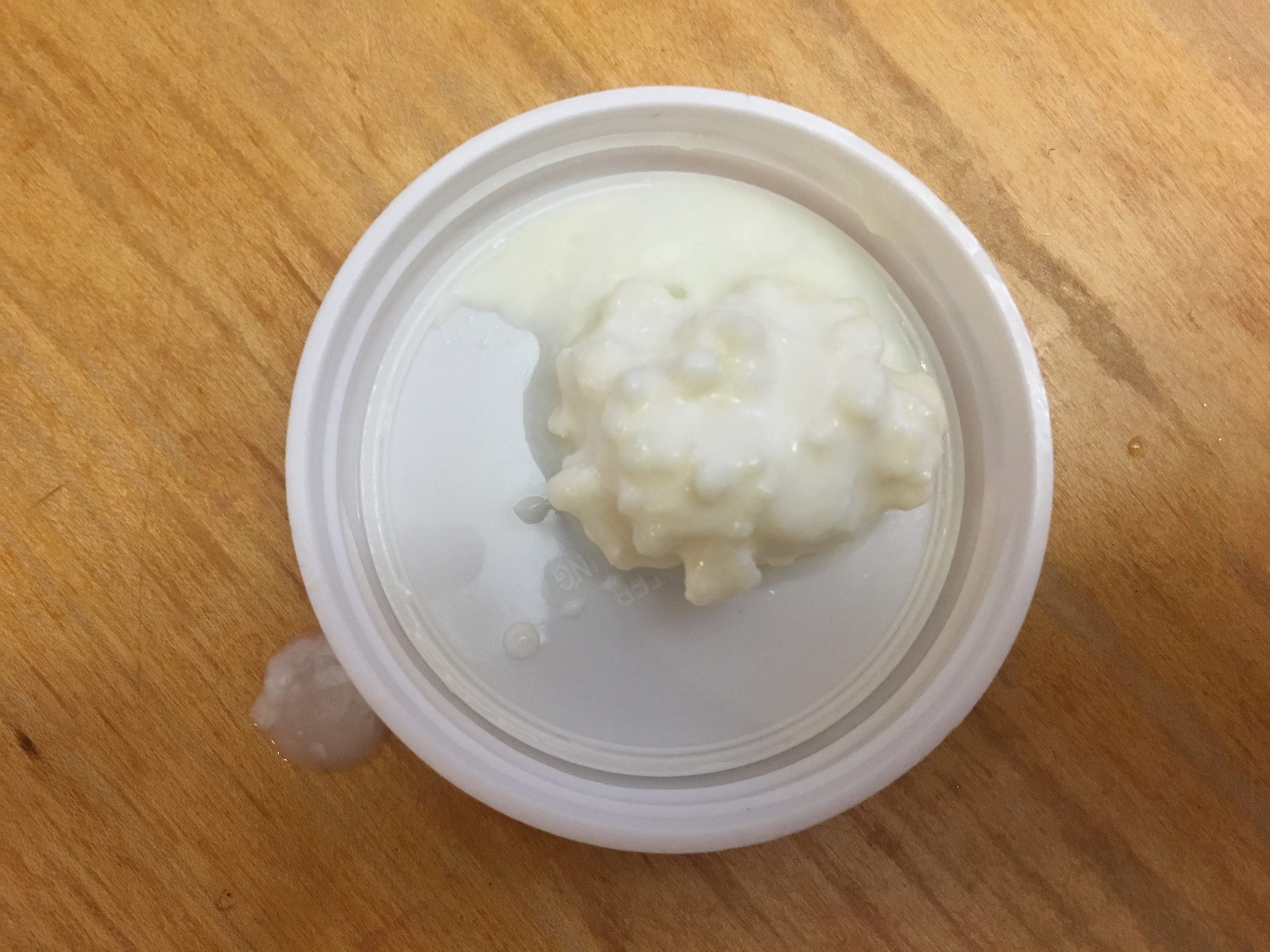
Colony of fresh kefir up close.

Kefir is thinner than yogurt but has a similar creamy-but-tart taste. It is fermented at room temperature.

If you want to make thick, nonfat yogurt, try making Greek yogurt or add a thickener like powdered milk, gelatin, pectin or tapioca starch. Be aware that thickeners may limit your ability to reuse your culture. Heavy whipping cream can also be used to thicken yogurt.

Making your own yogurt is easy, tasty, healthy and will save you money so give it a try!

For additional instructions, check out UAF Extension’s publication on making yogurt at home.

Previously published in the Fairbanks Daily News-Miner October 27, 2019.
Don’t Grow Food to Save Money—Do it for so Many Other Reasons

Food is cheap in the U.S. and we spend a lower percentage of our disposable income on food than any other country. We cook less and eat out more where a large portion of our food budget goes. But we pay for cheap food in other ways. Industrial agriculture takes a toll on the environment and contributes to climate change, impacts our health, and makes it more difficult for small farmers to be competitive and make a living.

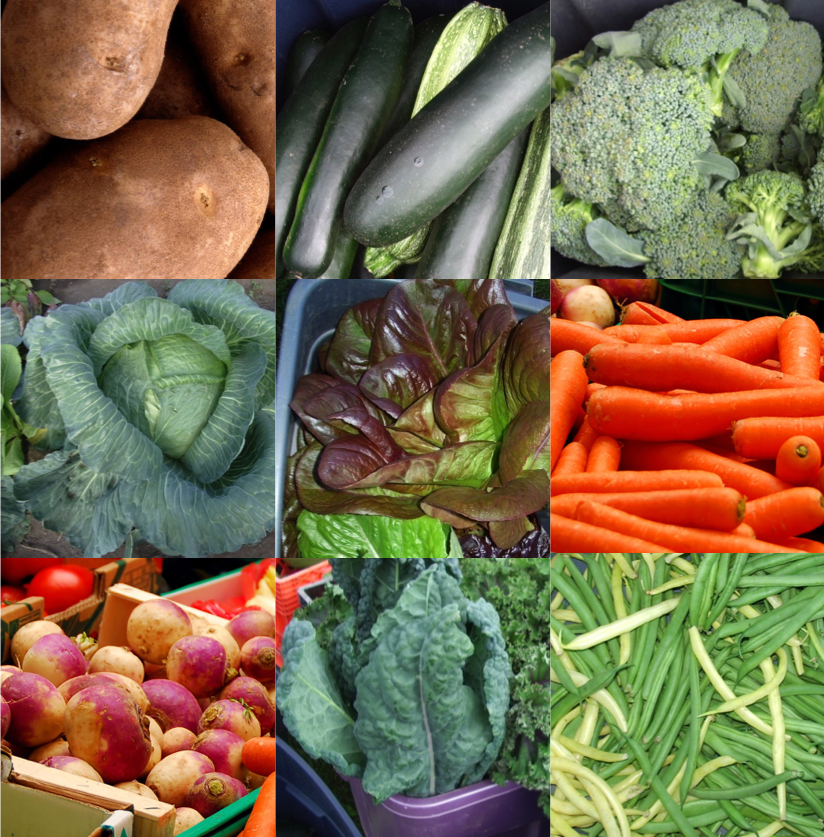
Thumbnails of various crops that grow well in Alaska, including: Potato, zucchini, carrots, broccoli, beans, cabbage etc.es,

Because food is so efficiently produced and inexpensive to buy, having a garden probably won’t save you money especially if you factor in your time and labor. Establishing a new garden can also cost a bundle to start, this article from the Journal of Extension outlines a cost-benefit analysis of starting a home garden. Gardens add daily chores to your schedule and require someone to water while you’re gone fishing/hiking/hunting this summer (unless you install a drip-irrigation system like I talked about in this article). Continue reading

At-home Learning in the Garden

This fall, many parents are considering homeschooling, perhaps for the first time, like me. It’s a daunting and somewhat overwhelming task to take on.

While curricula choices abound, some of it is pretty expensive and a little overwhelming. Plus, I don’t want to miss this opportunity to share what I’m passionate about with my kids, as well as explore what piques their curiosity. So how do you turn a passion into a legitimate educational opportunity and add it to your homeschool curriculum?

Small girl in a pink coat picking and tasting fresh peas in the garden.

Kinsey, my daughter, almost 2, in our garden picking peas. Studies have shown that kids eat more vegetables when they partake in growing them.

For me, an obvious passion to share is gardening. While some might think of it as a mere pastime or fun hobby, rather than a source of learning, it’s easy to tie in math, science, literacy, art and history, while developing a useful and perhaps even vital skill, which is growing your own food. Continue reading

Vibrant Hanging Baskets—A Recipe for Success

In Alaska, we make up for our white winter palette with an abundance of vivid, gushing hanging baskets in the summer. How can you get your own colorful basket this summer?

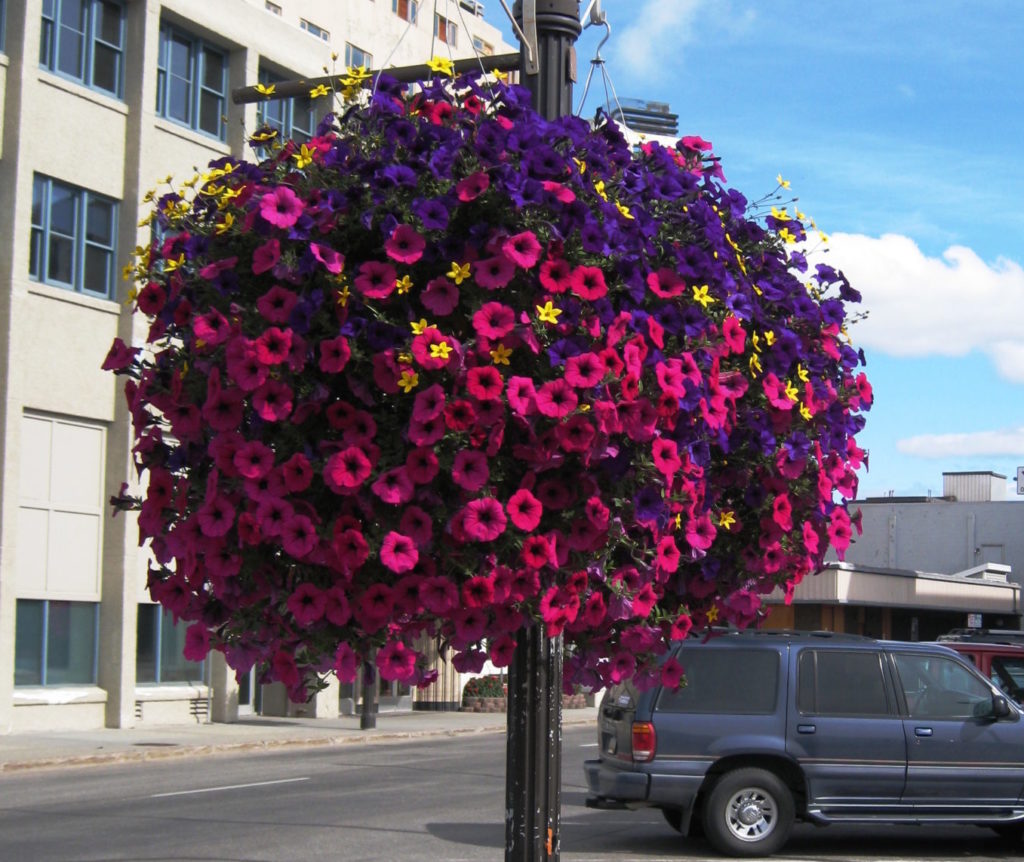
A vibrant hanging basket of purple and pink petunias.

A petunia ball in downtown Fairbanks.

One of my favorite baskets around Fairbanks looks like a ball of petunias. They are planted by Festival Fairbanks; so I asked Julie Jones, the executive director, what her recipe for success was.

She said they start with a 14-inch Cordova basket, which is just a round, plastic hanging basket with drainage holes. This surprised me because when looking at the baskets, they were so full it looks like the flowers were coming out from every which way. So-called flower balls use a wire basket and a liner that allows you to cut holes and plant on the sides and bottom of the basket and even on top. You could also use a hanging plastic bag with holes on it — sometimes called blooming bags or flower pouches. The downside of these methods is that you’ll probably need more plants and they will also likely dry out more readily due to the additional holes throughout the basket.

Jones said they use as many as seven and as few as three plants for each container, but usually five. Two are blue wave petunias, two wave petunias of another color and one other splash of color. In the picture shown, there is also yellow biden, which has been dwarfed by the wave petunias. A huge plus for wave petunias is that they do not need to be deadheaded. Most other annual flowers regularly need the trimming. Volunteers start the baskets in greenhouses about four to five weeks before distributing them downtown in early June for tourists and locals to enjoy. Continue reading

You can Grow Bush, Pole, Runner, and Fava Beans in Alaska

The difference between a fresh green bean and a canned one is huge. But green beans (snap beans) aren’t the only kind of bean you can grow in Alaska. Runner and fava beans also do very well and you can even grow beans for the bean itself, although that requires extra patience, time, and dedication.

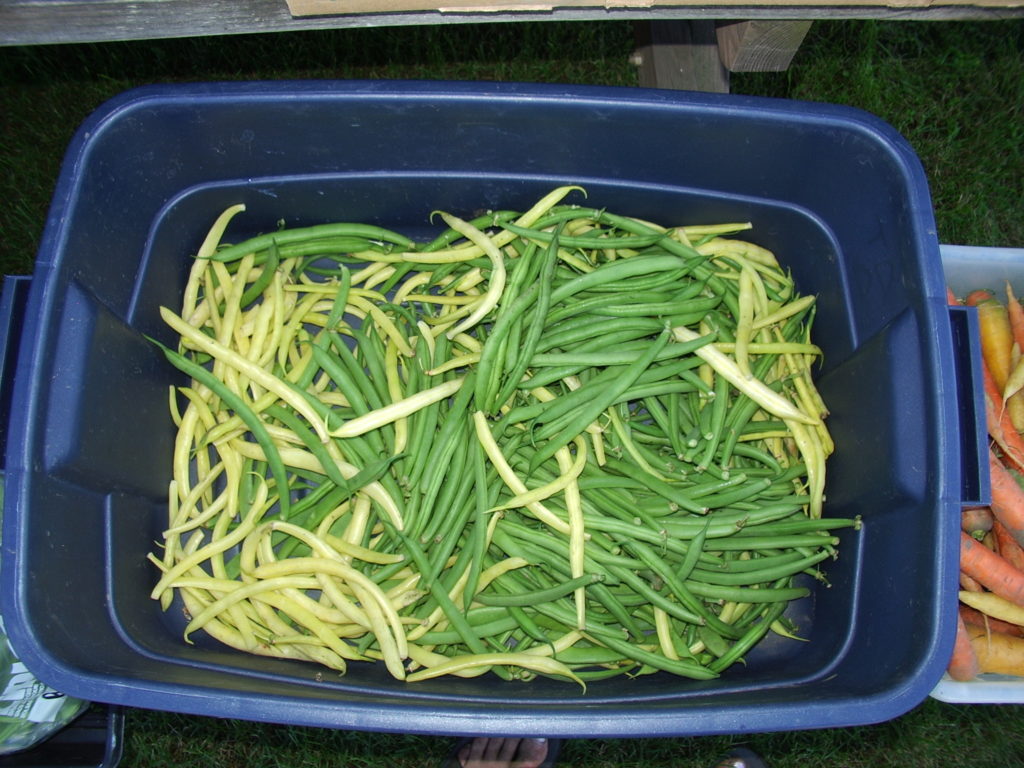
Fresh-harvested green and yellow wax beans in a large tote.

Fresh-harvested green and yellow wax beans.

Bean terminology and categories can be overlapping and confusing. For instance, a snap bean could be a bush bean or a pole bean and could also be grown just for the beans. Runner beans, a different species, can be grown with the intent of eating the entire pod, just the bean, or as an ornamental — and in the U.S. you’ll often find the seeds categorized under flowers rather than with beans in seed catalogues. Like pole beans, they are climbers and are either characterized as half-runner or runner beans. Further, fava beans are even more different and are a different genus and species than beans and runner beans.

Common beans (Phaseolus vulgaris), as you might expect, are the most commonly grown bean in Alaska. There are varieties that only get about 2 feet tall (bush beans) and ones that climb high (pole beans). Sometimes the entire pod is eaten (green or snap beans) while sometimes just the bean is eaten. There are some that produce tasty pods and beans while others are produced mainly for one or the other stage. Usually in Alaska, common beans are grown with the intent of eating the whole pod because it takes fewer days to mature — between about 50 and 60 days. Tack on at least a month or so if you want to grow them for dried beans. Continue reading

Fake or Fact? How to Find Research-Based, Reliable, and Relevant Answers to Your Gardening Questions.

It’s easy to find any answer to any question, including gardening questions, right? Sure, you can just google the answer, but unfortunately, you might end up with the most popular answer but not reliable, relevant or unbiased information. The quantity of easily accessible gardening information also doesn’t mean that it is relevant or reliable.

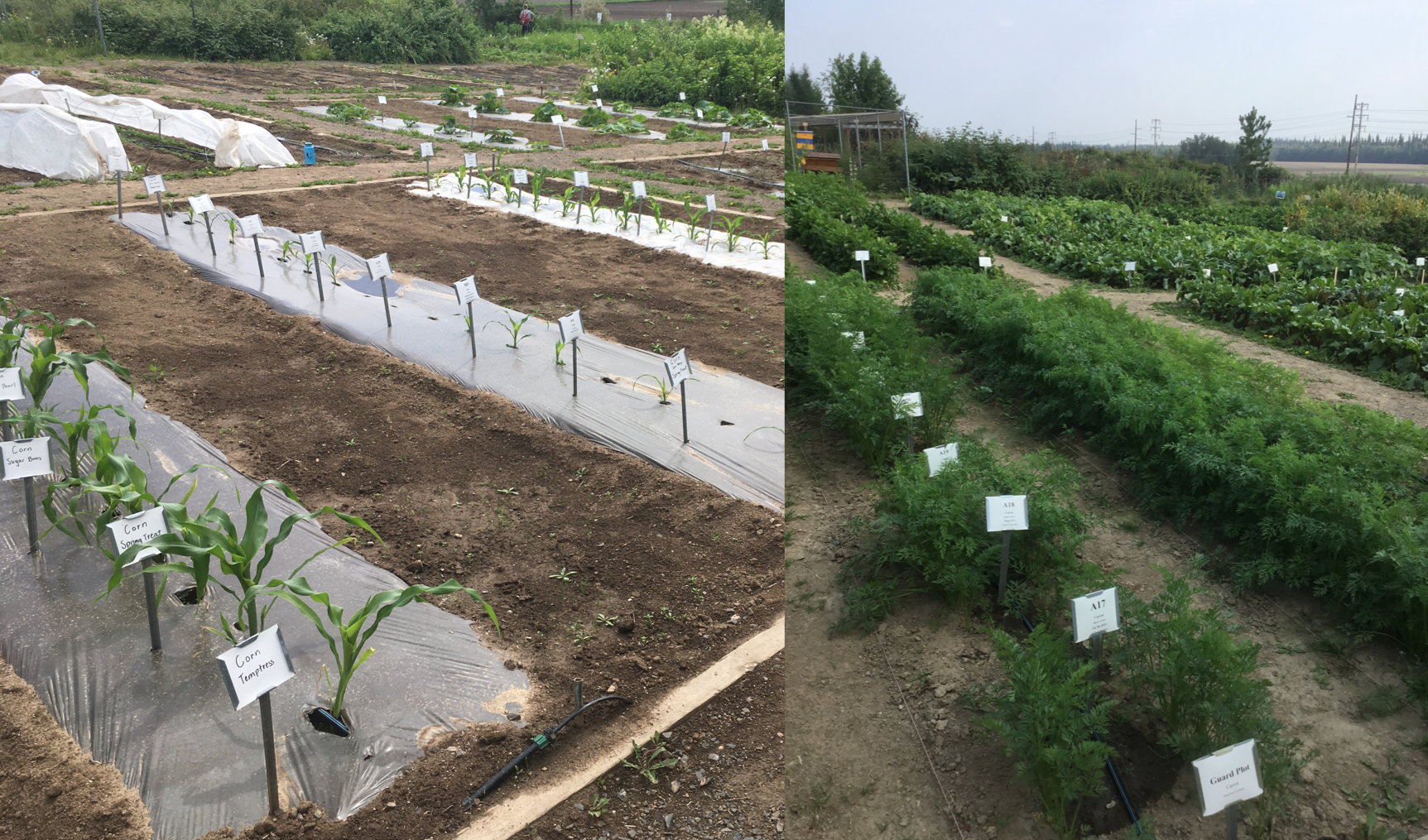
Several rows of corn and vegetable crops at the UAF Agriculture Forestry Experiment Station demonstrating vegetable variety trial research

Vegetable variety trials at the UAF Agriculture Forestry Experiment Station provide research-based information about which crops and varieties perform best for Interior Alaska’s growing conditions. Photos by Glenna Gannon.

One of the things that makes it hard to find answers to gardening questions is that for many questions, they depend on where you live. For instance, which varieties and crops you can grow, when to start seeds indoors and which pests are present is information that is highly dependent on your location. Then of course there is a lot of gardening information that doesn’t depend heavily on your location. Continue reading

Cook More at Home–You Won’t Regret it

Want to save money, lose weight and build closer relationships with your family this year? Resolve to cook more at home. In The Power of Habit: Why We Do What We Do in Life and Business,Charles Duhigg talks about the power of keystone habits to influence many areas of our lives. In other words, starting one good habit can lead to more good habits (or breaking bad ones). Cooking at home is a good example of a keystone habit.

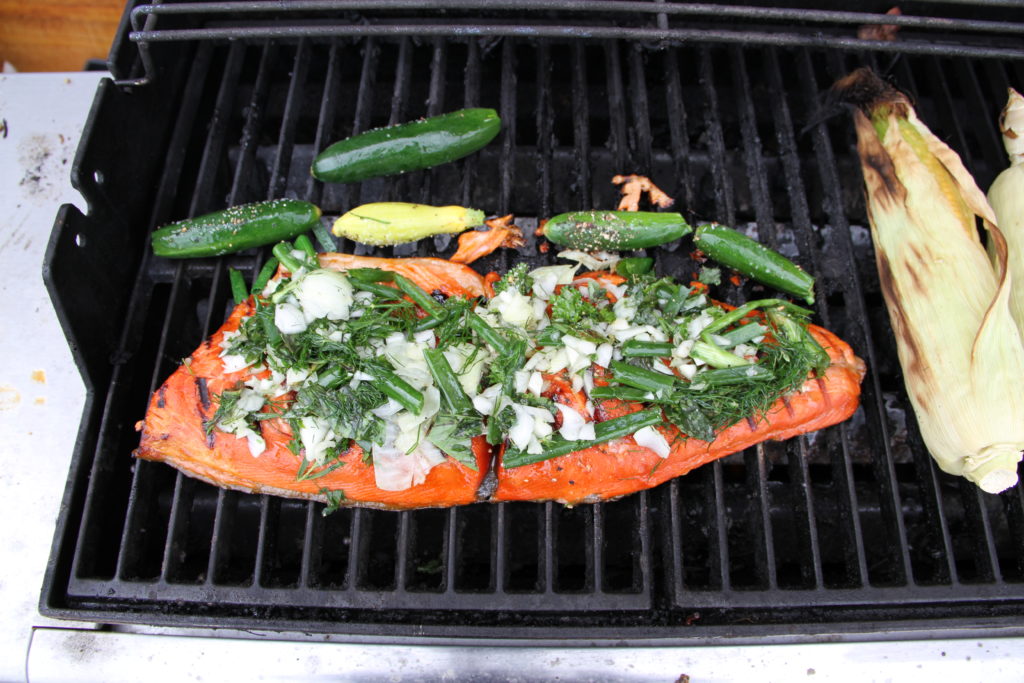
A fillet of red salmon cooking on the barbecue covered in fresh herbs.

Barbecuing Alaskan salmon with fresh herbs is a simple way to make a delicious meal.

If you want to save money this year, cooking at home instead of going out to eat is a great way to do that. Even when compared with fast food, you can still save money by cooking at home. Leanne Brown created an excellent and free online cookbook called Good and Cheap: Eat Well on $4/day. The Supplemental Nutrition Assistance Program Education is an excellent source for information if you want to cook healthy on a tight budget. Of course, you can always find loads of Alaska-centric recipes on the UAF Cooperative Extension Service website.

One of the greatest benefits of cooking at home is that you’re more aware of what you’re eating. If you make spaghetti sauce, you choose whether or not to dump sugar in the sauce. If you buy a can of ready-made sauce, you get the sugar whether or not you want it. Even if you scrutinize the nutrition label, it takes work to translate it into the serving size that you’re actually going to eat. There are all sorts of hidden ingredients in ready-to-eat or processed foods that may or may not be healthy for us. Go one step further and start a garden, and you’ll know even more about what’s in your food. Continue reading

Don’t Delay, Start Composting Today

Not only will you save money and improve your garden, but you’ll also make fewer trips to the transfer station, all while helping the environment. You can do it in your backyard, under your sink or in your garage.

How can composting save you money? If you have a garden, you’ll buy less potting soil, fertilizer and other soil amendments. 

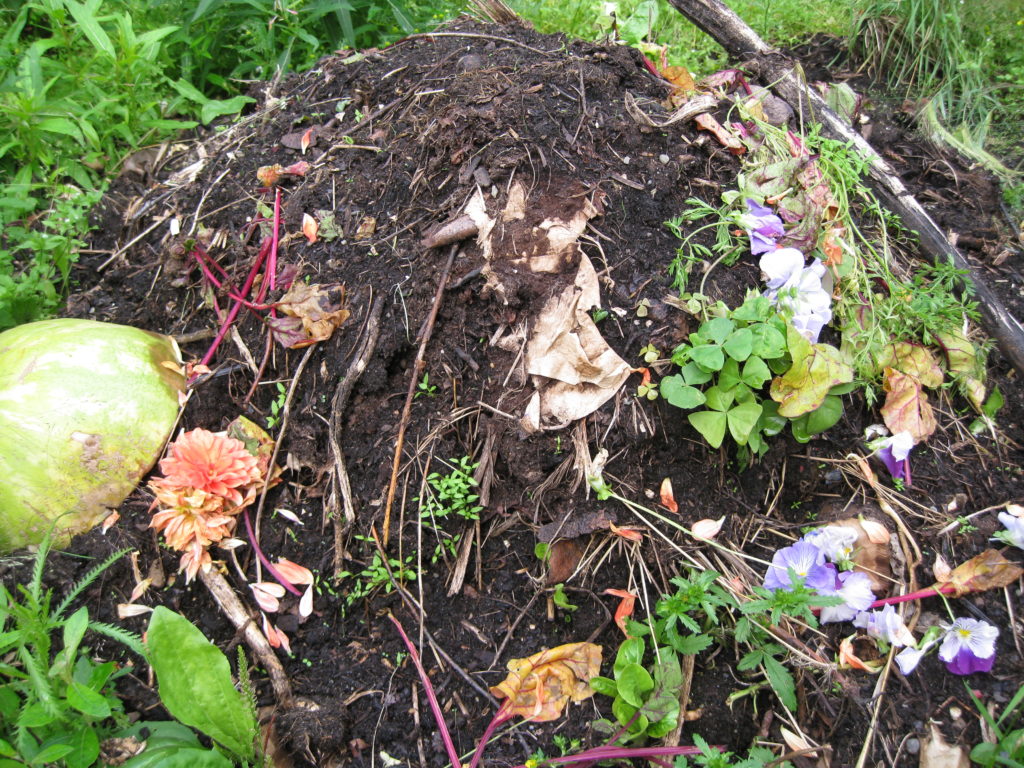
A compost pile that has recently been turned and shows both nearly-composed material as well as new kitchen scraps.

Anytime is a good time to start a compost pile. The fall is an especially good time because it’s a time when people usually have the most compostable waste. You can continue to add compostable food waste throughout the winter. In the spring, your pile will be ready to rot. 

Compost (organic matter) is sometimes called “black gold” because it’s so beneficial to your garden.  

Continue reading

Friend or Foe? Distinguishing Between Beneficial and Harmful Creatures in Your Garden and Welcoming the Former to Your Garden.

What do you do when you see four-, six-, eight- or 100-legged creatures crawling about in your garden? Is your first instinct to smash them?

Next time, before you do, ask yourself, “Is it a friend or foe?’Closeup of a tufted caterpillarA variety of creatures, big and small, play beneficial roles in your garden, from pollinating plants to preying on pests to cycling nutrients. Some, if not beneficial, are harmless. Then there are those that do in fact damage your garden–the pests. There even are some that are sometimes beneficial and sometimes a pest, like robins. They eat insects, but they also eat berries. Continue reading